
The ultimate role of the Testing, Inspection and Certification Market is relatively simple in its definition. The sector provides services in which inspectors conduct assessments on assets, carrying out testing, maintenance and awarding assurance certification that equipment is safe for use.
However, the work that is required by inspectors to perform these tasks can be anything but simple. In fact, inspectors carry out their assignments in the field operating in dangerous and sometimes hazardous environments. This poses potential risks to their lives and their health to provide evidentiary conformity.
Resources work in difficult conditions, often having to climb and scale heights, working in tight spaces and in hard to reach places. The dangers are increased by the use of small aircrafts or helicopters required to carry out inspections on offshore rigs and wind farms.
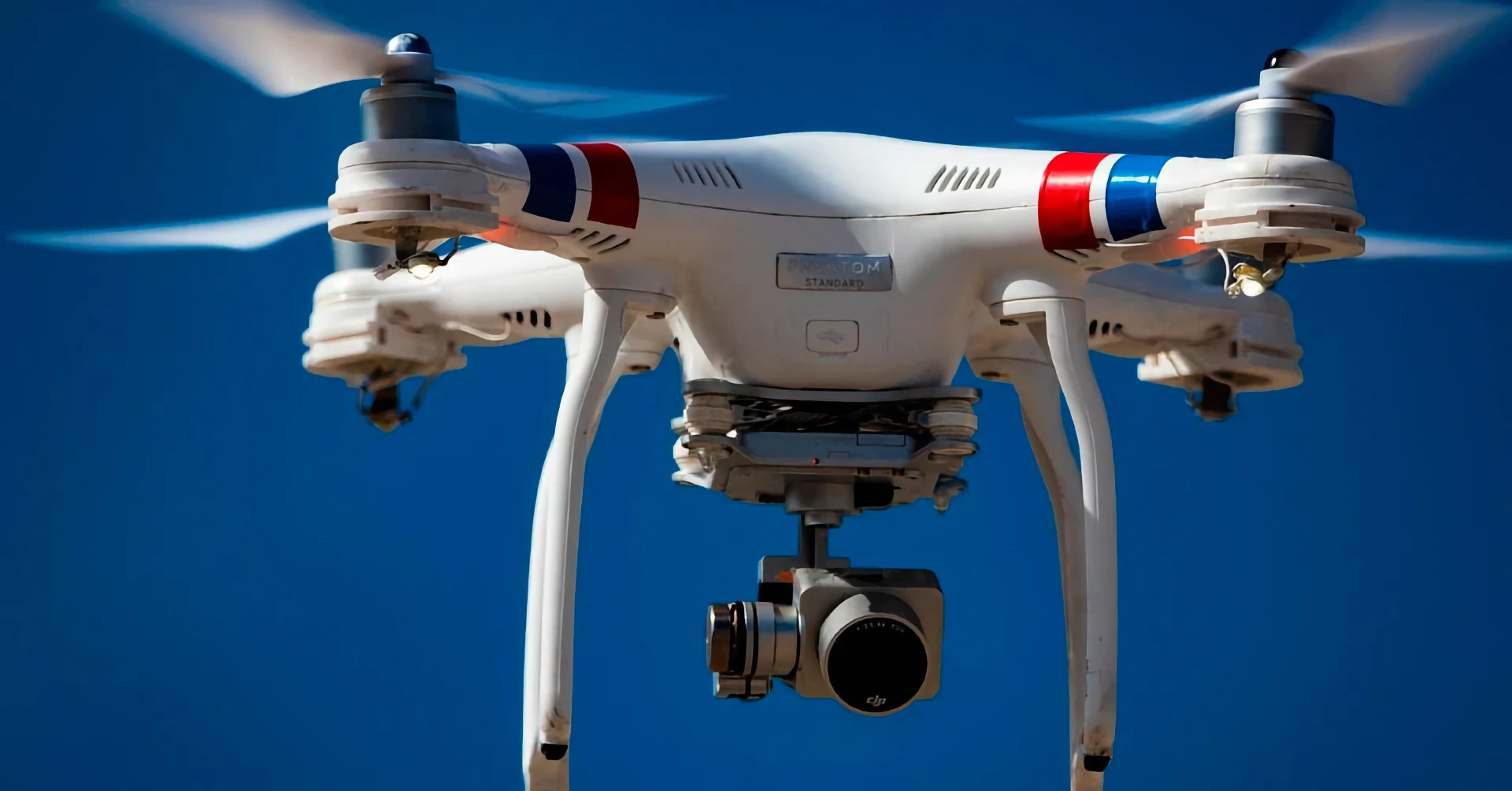
But thanks to advancing technologies risks within the Energy sector can be minimalised by utilising robotics, unmanned aerial vehicles (UAV), and sensors to carry out assessments and make onsite repairs.
Data Analysis
By using smaller agile technologies, which can fly slower and lower, inspections can be completed quicker, by less people and covering targeted areas to capture precise images.
By applying artificial intelligence and machine learning images can be easily stored, analysed, reported and shared. Data software can scan through large numbers of images in a shorter timeframe, interpreting and identifying areas that need repairing.
Reporting will be greatly enhanced by incorporating accurately analysed data into classifications of priority. This will ultimately save time and money on making repairs to assets that may have been misreported by human beings.
Robotics and UAVs
A recent article posted by the BBC introduced us to a new robotic four-legged friend called Anymal. A futuristic drone designed to reach places that humans may find hard to reach and are deemed unsafe for carrying out inspections. Its unique design replaces wheels for arms and human controls for technology.
Use of applied science like this shouldn’t come as a surprise as UAVs and other sensory devices have been a hot topic for some time. There’s a growing consumer market for drones, used by hobbyists, adults and even children who are free to operate flying robots in the airspace for fun.
The military, one of the main sectors to utilise drones, has been doing so for decades. Albeit in today’s world their capabilities go far beyond the catapult launches used in World War II. The detection and disarmament of bombs is one such use of militarised robotics.
Drones are being used in agriculture for spraying and extracting vital measurements used to determine crop and soil health. In these cases, the use of drones reduces contamination risks of workers being exposed to pesticides. Data captured by the UAVs can be translated and shared across the sector to reduce risks of bacterial diseases. This is not only beneficial to agriculturists but will also be fundamental in ensuring public safety.
Robotics replacing humans
By using technologies to carry out inspections many fear that robots will replace people. This question is nothing new. More advancing sectors such as the automotive and manufacturing industries have already undergone scrutiny over this debate. But it is inevitable that in our modern age that robots will replace humans in some areas.
Just head out to the nearest farmers field and you will rarely see horses driving ploughs or workers hand picking crops. They have been replaced with machinery designed to cut timeframes and manual labour. Innovative opportunities like these have increased efficiencies, production and help to reduce costs.
In the long-term robotics and machinery are cost effective, they are deemed more efficient and operate on providing repetitive results that human capabilities are unable to deliver. It raises valid questions over our individual abilities to provide consistency and quality compared to that of technology.
Approvals of robotics
Regardless of how sophisticated technology becomes eradicating human involvement at this point in the TIC Market transformation is unrealistic. In their very design UAVs are programmed to not only mimic human behaviours but to surpass them. People will still be required to map out the process in which robots can be used to enhance assessments. Plus, they will be needed to operate and carry out maintenance on the devices.
As scientists continue to innovate the FAA (USA) or CAA (UK) are responsible for approving the use of such technology and ensuring aviation safety. There is mounting pressure to approve the use of drones across sectors in which increased efficiency can be achieved. However, not all plans will be approved. The FAA has already halted the progress of retail giant Amazon who are said to be developing and testing drones to deliver packages to homes and businesses.
But as time moves forward it is becoming increasingly difficult not to imagine a futuristic landscape that resembles a sci-fi movie. If industry sectors want to leverage such technologies in their business strategies to create a smarter environment then delaying the inevitable is not only impacting financial markets but also workers safety.
Technical Resources
The introduction of robotics should be seen as an exciting part of the future of the TIC Market, especially when looking at areas of resource protection. There is no price that can be applied to a human life even if it means utilising robotics to replace people. If inspectors can carry out their duties operating smarter to enable companies to deliver safer Energy sources to the public, then this new wave of technology should be welcomed.
But, for now, and before advancing technologies become an integral part of TIC life, robotic capabilities will require testing and remodelling, this takes time and money. Therefore, the industry should remain assured that resources will still be needed in the near distant future.
At VERITAS we are here to supply the sector with top quality technical talent. Inspection resources can use our unique QA/QC platform to transform the way they apply for contract roles. Offering a new way to secure placements based on location, skills, money and project requirements. Resources will be fully in control of how, where and for how much they work. The platform can be used to upload reports which will be analysed and verified before being sent to the client.
Conclusion
It’s clear that humans will always be limited by their very nature of humanity. But the question remains, will our humanistic flaws be better or worse than the advancing technologies being developed around us at delivering high quality assessments?
This question will go unanswered until the war on technology reaches a greater peak. In the meantime, we will continue to provide resource services to our clients to ensure that the sector is able to deliver safer sources of Energy.